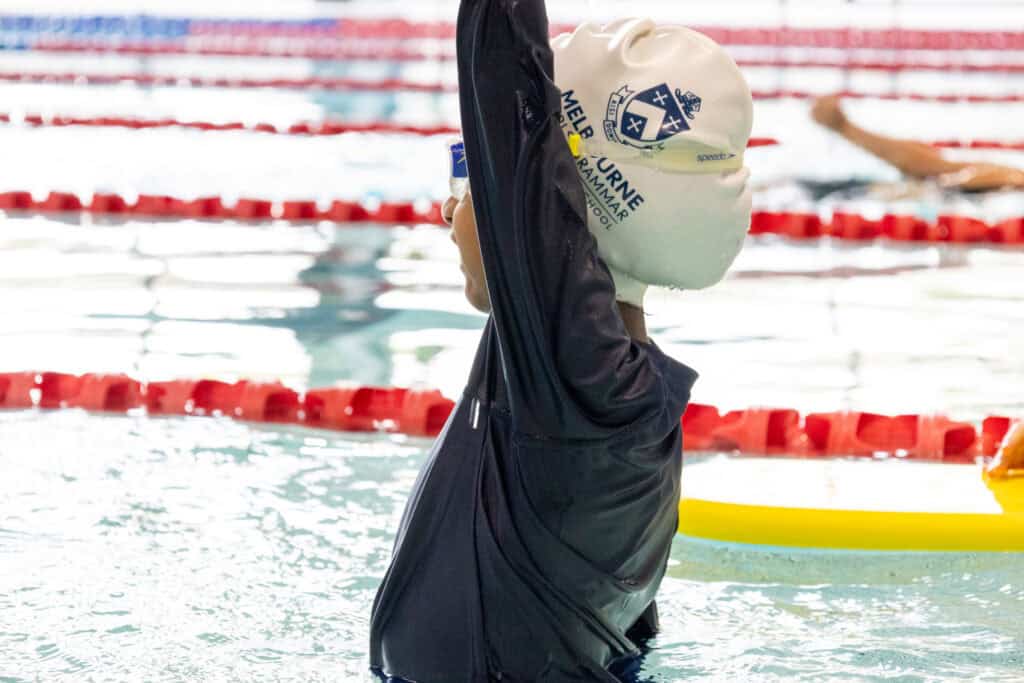
Swimming can sometimes feel repetitive. Why can’t we just jump in, swim as fast as we can, and get faster? It doesn’t quite work that way, especially for swimmers who are still building foundations of a strong stroke.
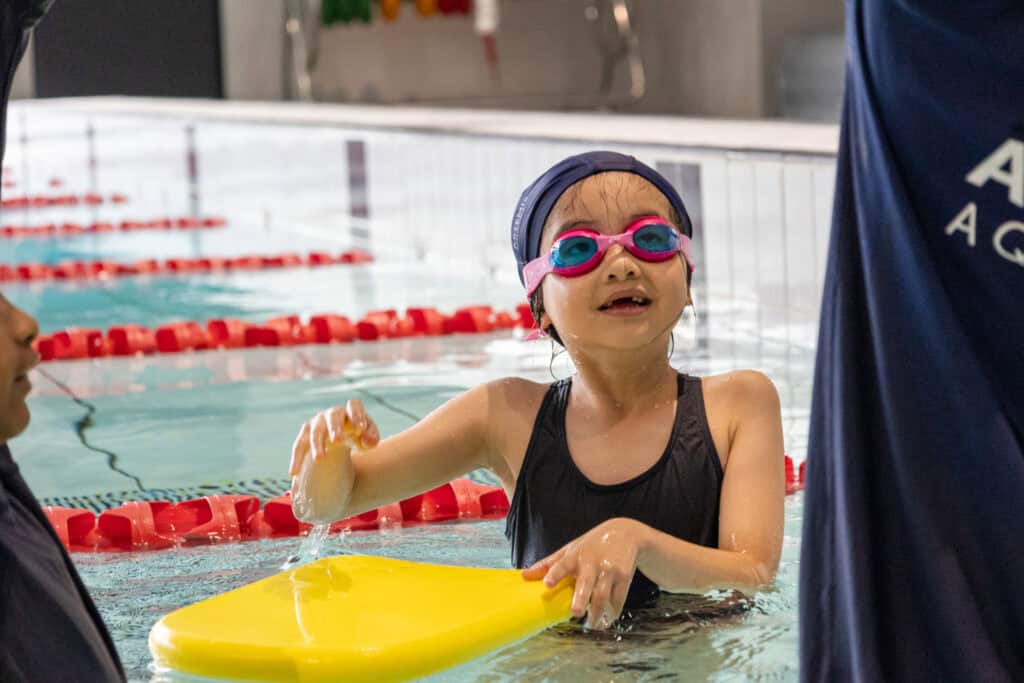
Swimming can sometimes feel repetitive. Why can’t we just jump in, swim as fast as we can, and get faster? It doesn’t quite work that way, especially for swimmers who are still building foundations of a strong stroke.
Developing good technique early ensures swimmers get the most out of every stroke as they grow stronger and more confident. As training intensity increases, poor technique can place unnecessary stress on growing muscles and joints, increasing the risk of injuries that can take a long time to recover from.
When we swim our goal isn’t simply to move our arms and legs faster, it’s too move through the water more efficiently.
Think about it this way: which swimmer is likely to move faster and use less energy?
A swimmer spinning their arms as quickly as possible with no focus on gripping the water? Or a swimmer focusing on distance per stroke, a powerful and effective catch and streamlined body position?
The second!
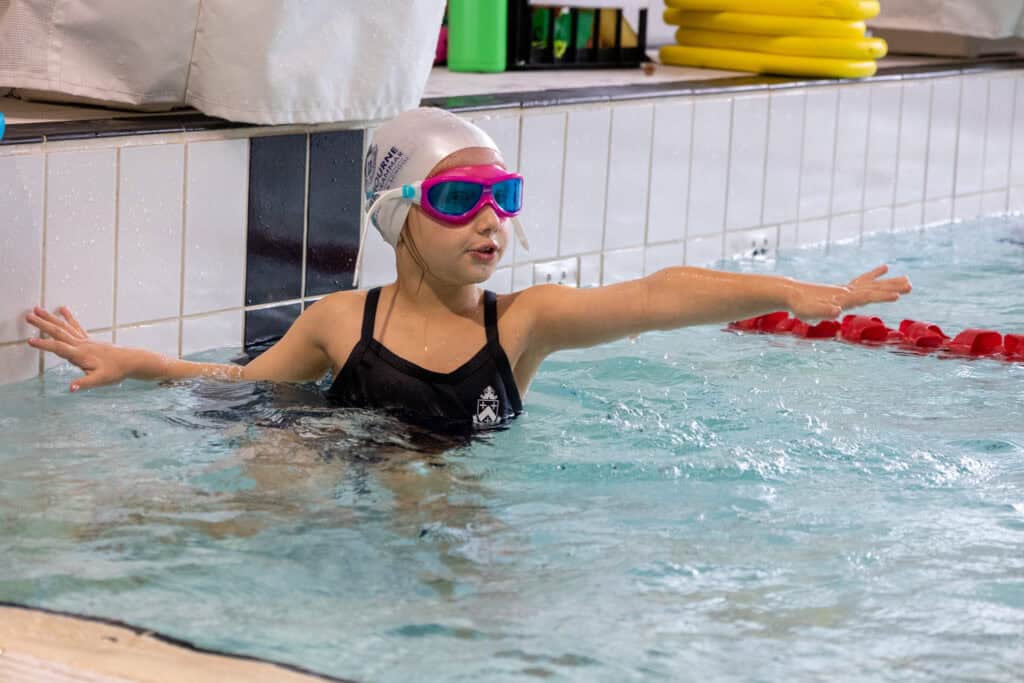
There are so many elements to consider when swimming. Body position in the water, effective kicking technique, the underwater phase of the stroke, hand entry; the list goes on! These elements allow swimmers to become faster, swim further, and enjoy their swimming experience more.
There is always a method behind the madness. That’s why you’ll often see drills, skill progressions, and activities in lessons that don’t always look like “just swimming laps.” Every activity has a purpose. Each drill is designed to build a specific skill and reinforce good habits that will support swimmers as they progress through the program.
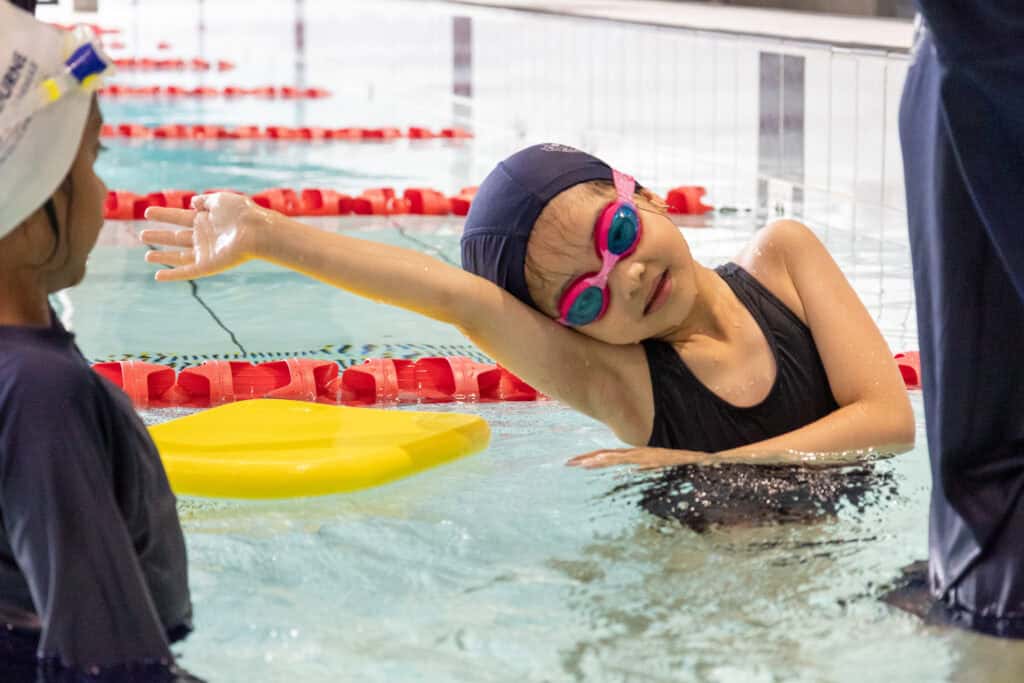
Our goal isn't perfection. It's helping swimmers develop consistent, efficient technique that they can build on for years to come, making swimming not only faster, but more enjoyable and more sustainable.

Holly Sinclair - Learn to Swim Co-ordinator