Specific Training
One of the most common questions athletes ask is, “How can I jump higher?” My first response is usually, “Are you practicing jumping?”
Many athletes spend little time practicing the actual skill and considerable time on alternative exercises. A pilot learns to fly by flying planes; jumpers improve jumping by jumping.
Psychologist Anders Ericsson’s work on deliberate practice highlighted that expertise is developed through focused, effortful practice designed to improve performance. The same principle applies to jumping.
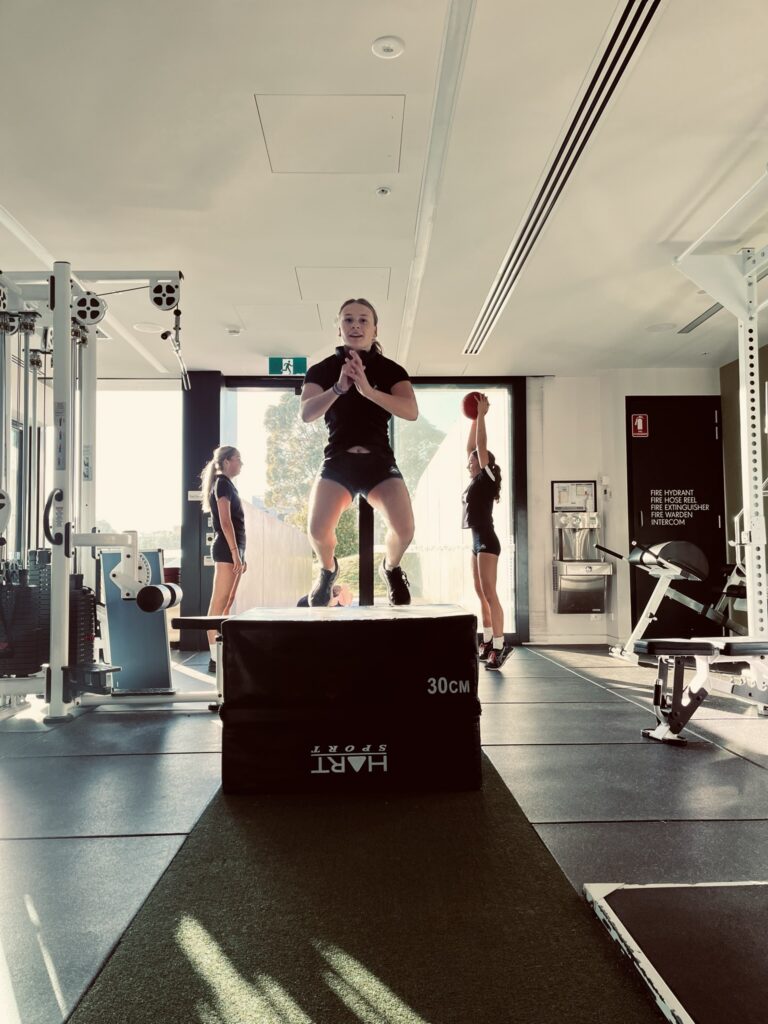
To maximise performance in a specific jump, whether it’s a volleyball spike, basketball layup, or high jump, the exact skill must be practiced. Assuming good health and technique, jumping with near-maximal effort is the most specific jump training method.
Coaches may also isolate specific phases of the jump, such as the run-up, braking, take-off, or landing, to refine key positions and reduce energy cost.
As athletes developed physically, they must continually adapt their movement strategies to take advantage of these new physical capacities, like flying a plane with new set up. Regular jump practice remains important throughout an athlete’s development.
Long-Term Development
Certain physical and motor adaptations can be accelerated during key developmental stages. Some adaptations, such as bone and tendon development, crucial for jumping, become significantly less responsive later in life, making early exposure to appropriate training valuable.
For young athletes, the foundation should be built through enjoyable activities that involve running, jumping, and throwing. Enjoyment encourages effort, and effort drives performance.
Sports such as athletics, gymnastics, basketball, and volleyball typically provide many opportunities to develop jumping ability.
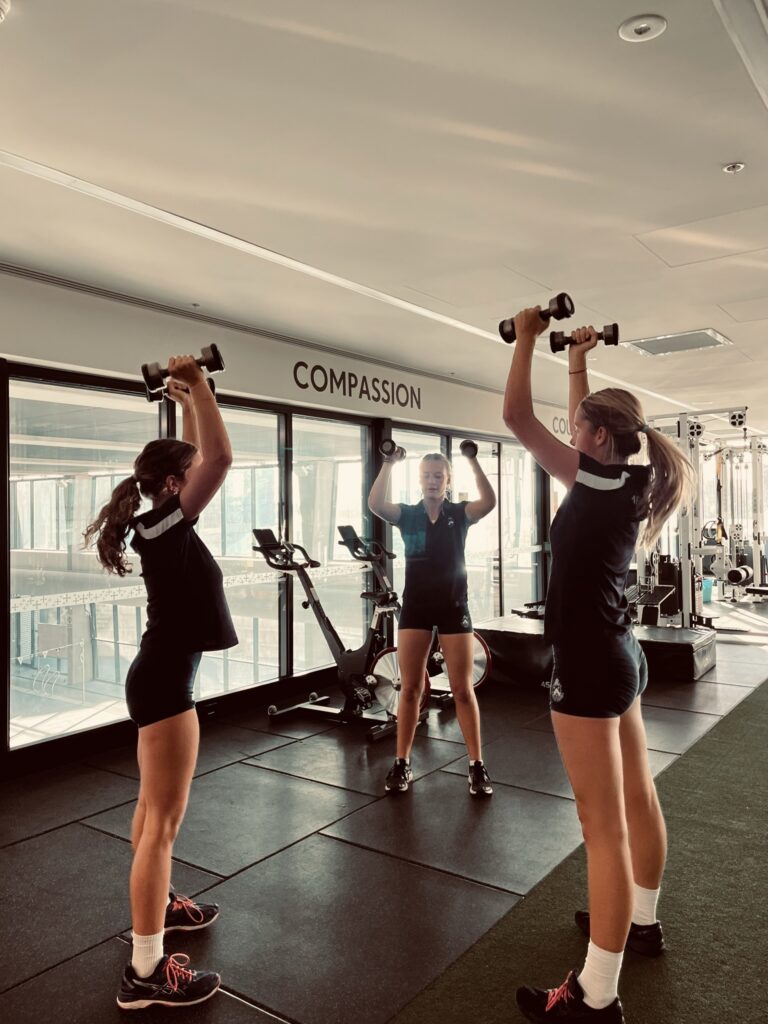
Well-designed and well-coached strength and conditioning programs maximise performance while building the strength, capacity and resilience that can help protect athletes from injury.